


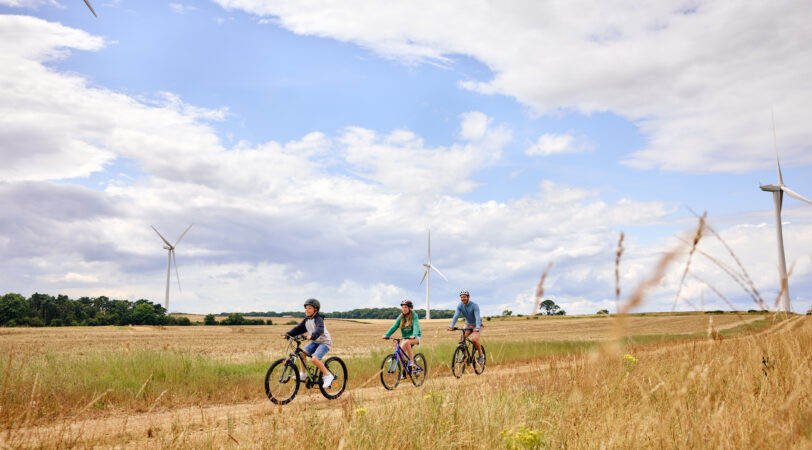
Protecting and enhancing the environment
At OnPath Energy, we believe progress and responsibility go hand in hand. Through our OnPath Together approach, we’ve set 16 clear commitments across four pillars – including Climate & Nature Positive – to ensure every project we deliver accelerates a fair and inclusive energy future, putting people and the planet at the heart of everything we do. We embed sustainable design practices into our projects to deliver the highest environmental standards. In practice this means that a habitat management plan (HMP) or biodiversity action plan (BAP) are integrated into every new project.
Sustainability from the start at Moor House Wind Farm
At Moor House Wind Farm, sustainability was at the heart of our project from day one. From the initial design phase, we worked closely with ecologists and local stakeholders to ensure that every aspect of the development would protect and enhance the local landscape and biodiversity.
Our Habitat Management Plan set out clear strategies for creating new wildlife corridors, restoring native woodlands, and supporting pollinators and farmland birds—all using locally sourced, native species. By integrating these principles into the construction and long-term management of the site, we’ve ensured that Moor House Wind Farm delivers clean energy while leaving a lasting positive legacy for nature and the community.
Supporting a just transition
Partnering with local businesses
The Moor House Wind Farm Habitat Management Plan emphasised the involvement of local businesses throughout the lifetime of the project. From the outset, specialist contractors with experience in native planting were to be appointed for key tasks such as creating and enhancing hedgerows, planting native trees to connect woodlands, and implementing other habitat improvements. By engaging local expertise, we demonstrated our OnPath Together development approach by investing in local businesses and supporting local jobs.
In addition, the plan prioritised sourcing seeds and plants of local provenance, supporting local nurseries and specialist suppliers. This approach not only strengthens the local economy but also helps maintain the genetic diversity and resilience of the area’s habitats by using species adapted to local conditions.
Ongoing maintenance; such as fencing, weed control, rotational cutting, and ecological monitoring presents opportunities for local businesses like Thorpe Trees to contribute to the wind farm’s long-term success. By embedding local business involvement at every stage, the project supports both the environment and the community, ensuring that sustainability is delivered in practice as well as in principle.
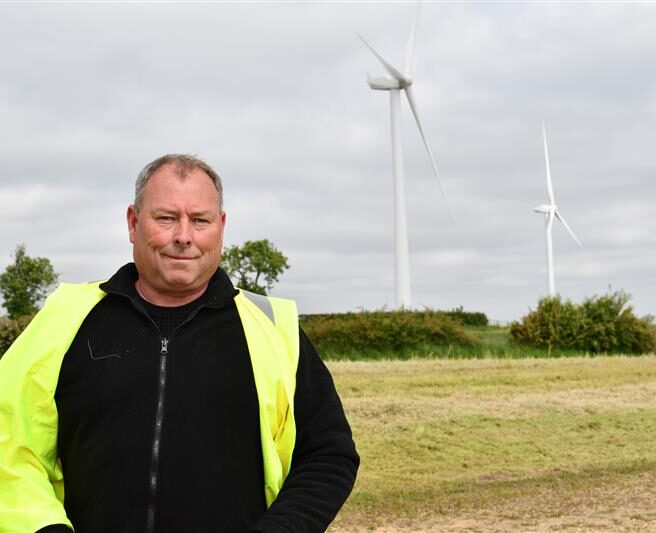
A typical day for me on site would be going around checking on hedgerows, trees making sure that if there’s any wildlife it’s protected. Over the years we’ve learned that each site grows differently at certain times of the year giving us a good idea of the things we need to look for in certain areas of each site.
Simon Smith, Thorpe Trees.
Embedding sustainable design principles
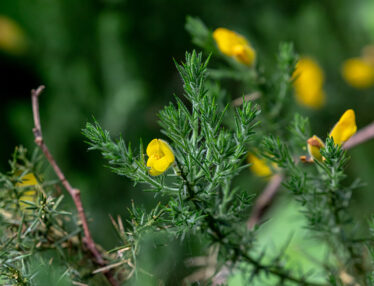
Habitat creation, restoration, and connectivity.
We created and enhanced over 7 km of species-rich hedgerows to strengthen wildlife corridors and connect the landscape. By planting native trees to link Kettonleas Wood and Horsepasture Wood, and establishing rough grass and wildflower margins and buffer strips, we’ve supported pollinators, birds, and beneficial insects while protecting woodland edges from agricultural impacts.
Adaptive management and long-term stewardship
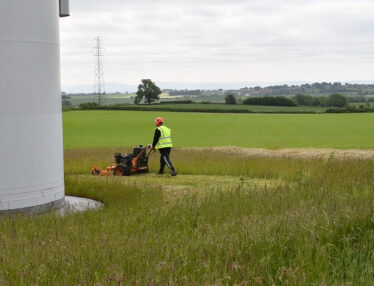
Ongoing maintenance—such as rotational cutting, weed control, and fencing—ensures that habitats establish successfully and persist over time. The plan includes annual monitoring in the early years, with further assessments at year 1 and year 24, so progress can be evaluated and future management adapted as needed. This flexible approach allows management actions to respond to monitoring results and ecological changes throughout the wind farm’s operational life.
Enhancement of ecological features
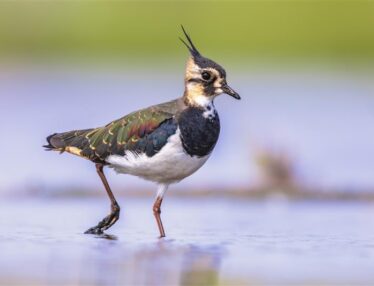
Field corners were enhanced by creating a shallow wetland scrape to support wading birds and other wildlife, while other corners and construction-disturbed areas were allowed to naturally re vegetate, providing extra cover and food sources for local animals.
The results

Increase in biodiversity across the site
fact stat fact

Hedgerow planting
We created and enhanced over 7 km of species-rich hedgerows to strengthen wildlife corridors and connect the landscape.

A just transition with local businesses
The conclusion
In summary, the Habitat Management Plan for Moor House Wind Farm exemplifies our OnPath Together development approach by embedding sustainability, local collaboration, and long-term stewardship into every stage of the project. By prioritising ecological enhancement, supporting local businesses, and ensuring ongoing adaptive management, the plan not only safeguards biodiversity but also strengthens our commitment to delivering renewable energy projects that put people and the planet at the heart of everything we do.